Walk into any electronics retailer in Canada right now and you'll face a wall of screens labelled OLED, QLED, Neo QLED, Mini-LED, and QD-OLED. For most buyers, it's genuinely bewildering. After 60-plus years of helping Perth County families choose the right TV, our team at McNain has broken this down to what actually matters in a real Canadian home.
The Short Answer
OLED is best for dark-room watching and cinema accuracy. QLED is best for bright rooms and peak brightness. Neither is universally superior — it depends on your living space and how you watch.
How OLED Works
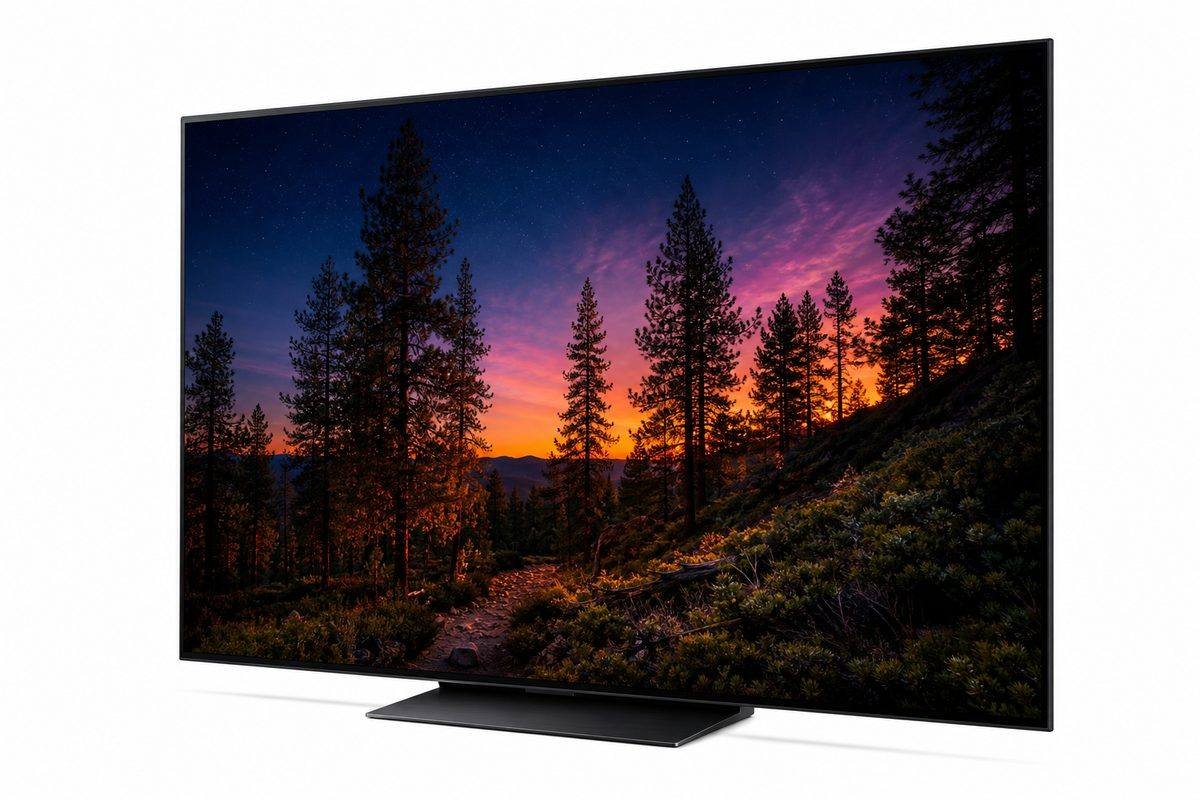
OLED (Organic Light-Emitting Diode) screens have no backlight. Every pixel produces its own light and can switch off completely. That gives you true black levels — not dark grey, but actual black — and effectively infinite contrast ratio.
The result is that in a dark room, an OLED picture looks genuinely cinematic. Colours pop against perfect shadows. HDR content looks the way it was mastered in the studio.
"If you watch movies with the lights down in the evening, OLED will blow you away the first time you see it. It's the reason home theatre enthusiasts almost always choose it."
The trade-off: OLED panels can't get as bright as the best QLED screens, and in a very sunny living room, reflections and washed-out highlights can be a real problem.
How QLED (and Mini-LED) Works
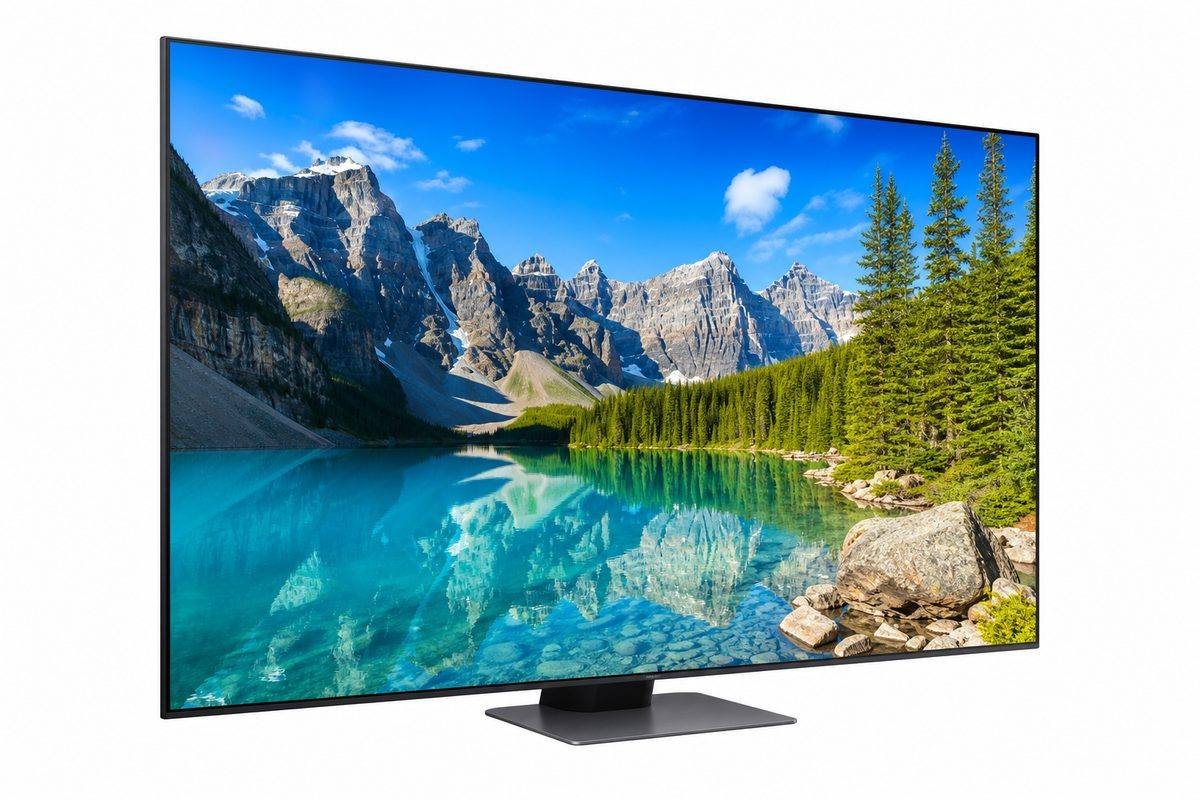
QLED uses a traditional LCD panel backlit with quantum dot-enhanced LEDs. The quantum dots improve colour purity and brightness significantly over regular LED TVs. Samsung's Neo QLED and Mini-LED models add thousands of tiny LED zones that can dim independently, getting much closer to OLED's black level performance without the brightness ceiling.
At peak brightness, the best Neo QLED screens can hit 2,000–4,000 nits — two to four times what a typical OLED manages. For a bright Canadian living room in winter sun, that extra headroom matters.
Side-by-Side Comparison
Here's how the two technologies compare across the criteria our customers ask about most:
| Criteria | OLED | QLED / Neo QLED |
|---|---|---|
| Black levels | Unmatched | Very good (Mini-LED) |
| Peak brightness | Moderate (~1,000 nits) | Excellent (2,000–4,000 nits) |
| Bright room | Adequate | Superior |
| Viewing angle | Excellent (wide) | Good (narrower) |
| Gaming (response) | 1ms (best in class) | Very good (1–2ms) |
| Price | Higher ($1,699+) | More accessible ($649+) |
| Burn-in risk | Low (with normal use) | None |
Our Recommendation for Ontario Homes
Dark home theatre or dedicated viewing room: Go OLED. The LG C4 or B4 will genuinely surprise you.
Bright open-plan living room: A Samsung Neo QLED (QN85D or QN90D) will serve you better. You won't be fighting reflections or wondering why the picture looks washed out.
Bedroom or secondary TV: Either works well. Budget usually decides it — Samsung Q60D QLED at $649 CAD is outstanding value.
Come See the Difference in Person
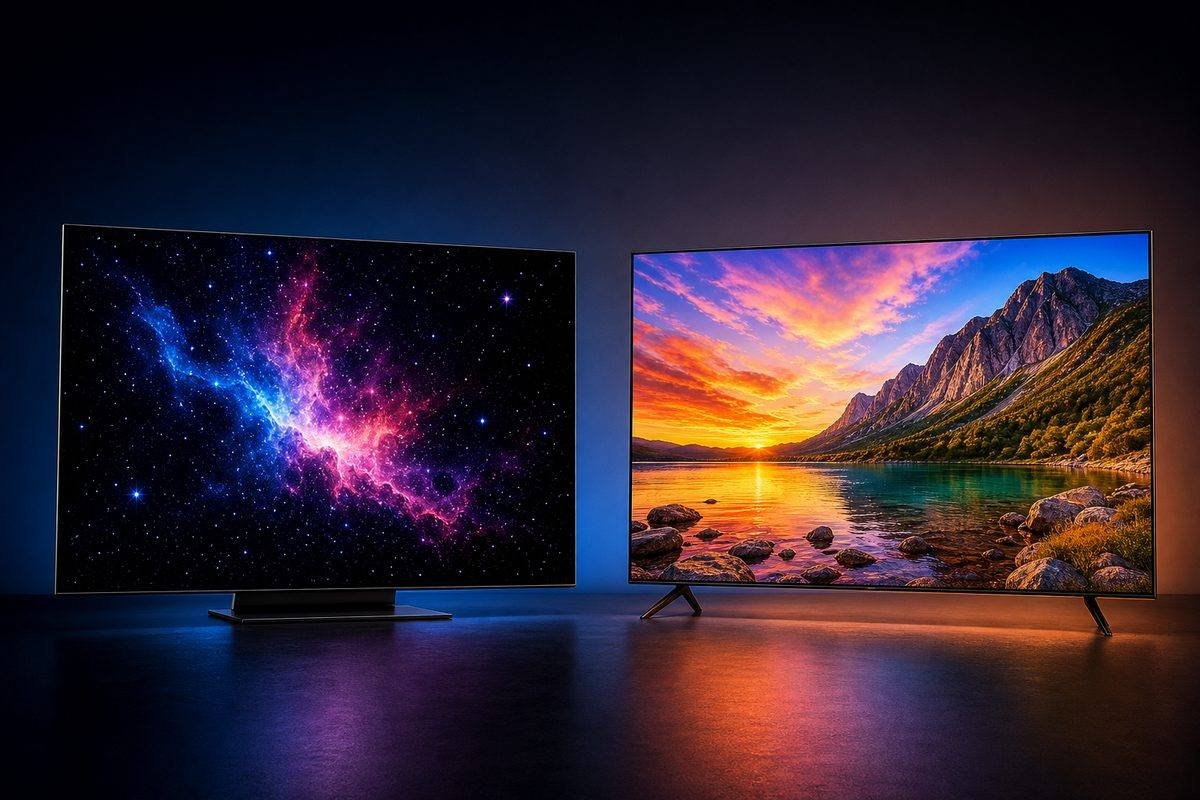
Words and charts only go so far. Our Mitchell showroom has OLED and Neo QLED screens running side by side. Come in any weekday between 9am and 5:30pm — bring photos of your room if you'd like our team's specific recommendation. No pressure, no sales scripts.